

How Energy Upgrades Affect Worcester Property Values
Energy upgrades are often thought of as simple cost-saving improvements, but in Worcester’s real estate market, they can influence property value as well.
Buyers, renters, and investors are paying closer attention to how buildings perform over time, especially in a city with a wide mix of older housing stock and newer development. Here’s how energy efficiency improvements can shape long-term value for Worcester property owners.
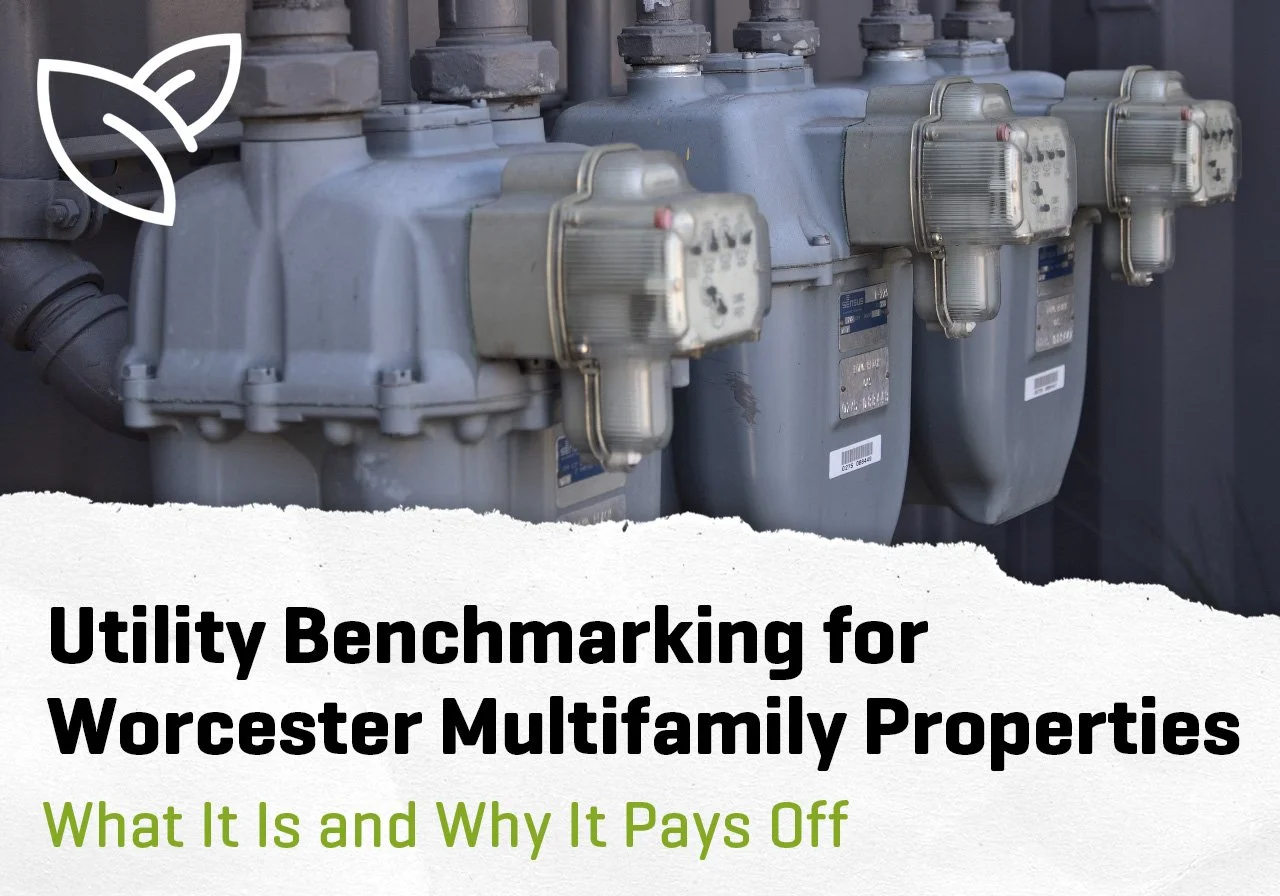
Utility Benchmarking for Worcester Multifamily Properties—What It Is and Why It Pays Off
Smart property management in Worcester means more than keeping buildings clean and tenants happy—it means using data to make strategic decisions. One of the most valuable, underutilized tools in a landlord or property manager’s toolkit is utility benchmarking. This simple process provides insights into how your property uses energy and water, helping you reduce costs, qualify for incentives, and improve long-term performance.

Insulation Upgrades—The Unsung Hero of Multifamily Efficiency in Worcester
When multifamily property owners think about energy improvements, flashy upgrades like solar panels or smart thermostats often take the spotlight. But one of the most cost-effective, high-impact improvements is often hidden in the walls and attic: insulation.
In Worcester’s four-season climate, where icy winters and humid summers strain buildings and HVAC systems alike, proper insulation plays a critical role in building performance, tenant comfort, and energy savings.

The Rise of Heat Pumps in Worcester Multifamily Retrofits
As Worcester property owners search for smarter, more sustainable ways to manage energy costs and meet evolving climate standards, one solution is rising above the rest: heat pumps. No longer a fringe technology, heat pumps have become a go-to upgrade in multifamily retrofits throughout Massachusetts—and with good reason.

Healthy Buildings, Happy Tenants—Why Indoor Air Quality (IAQ) Matters in Worcester Multifamily Housing
In the world of property management, tenant comfort is currency. While amenities and aesthetics get the spotlight, one often-overlooked factor significantly affects resident satisfaction: indoor air quality (IAQ). For Worcester landlords and property managers, improving IAQ isn’t just a health upgrade—it’s a strategy for reducing turnover, increasing retention, and boosting overall building performance.

Why Blower Door and Duct Leakage Testing Matter in Worcester Rentals
In the world of multifamily property management, efficiency is the name of the game. In Worcester’s aging housing market, where drafts, temperature swings, and uneven utility bills are common, two diagnostic tools are essential: blower door testing and duct leakage testing. These tests provide the data-driven insight needed to target improvements, reduce energy loss, and enhance tenant comfort.

ENERGY STAR for Multifamily Properties in Worcester
When it comes to long-term building performance and sustainability, ENERGY STAR certification is one of the most recognized benchmarks for multifamily housing. Especially in Worcester, where many rental properties are older and serve moderate-income tenants, aligning your building with ENERGY STAR standards can deliver measurable benefits in efficiency, tenant satisfaction, and overall asset value.

Going Green Saves: Existing Building Upgrades to Save Money
How Worcester Property Owners Can Cut Costs with Smart Sustainability Improvements
Sustainability upgrades aren’t just good for the planet—they’re good for your bottom line. For property owners in Worcester, improving energy efficiency can mean lower utility bills, fewer maintenance issues, and stronger tenant appeal. And with financial incentives from programs like Mass Save, making your building more efficient has never been more accessible.
Whether you’re overseeing a single rental unit or a multifamily building, these strategic upgrades can add long-term value without major up-front costs.

How Condo Associations Can Save Big with Mass Save in Massachusetts
Managing a homeowners association involves balancing both short and long-term priorities, such as maintaining property value and controlling expenses. One area where these priorities come together is energy efficiency.