
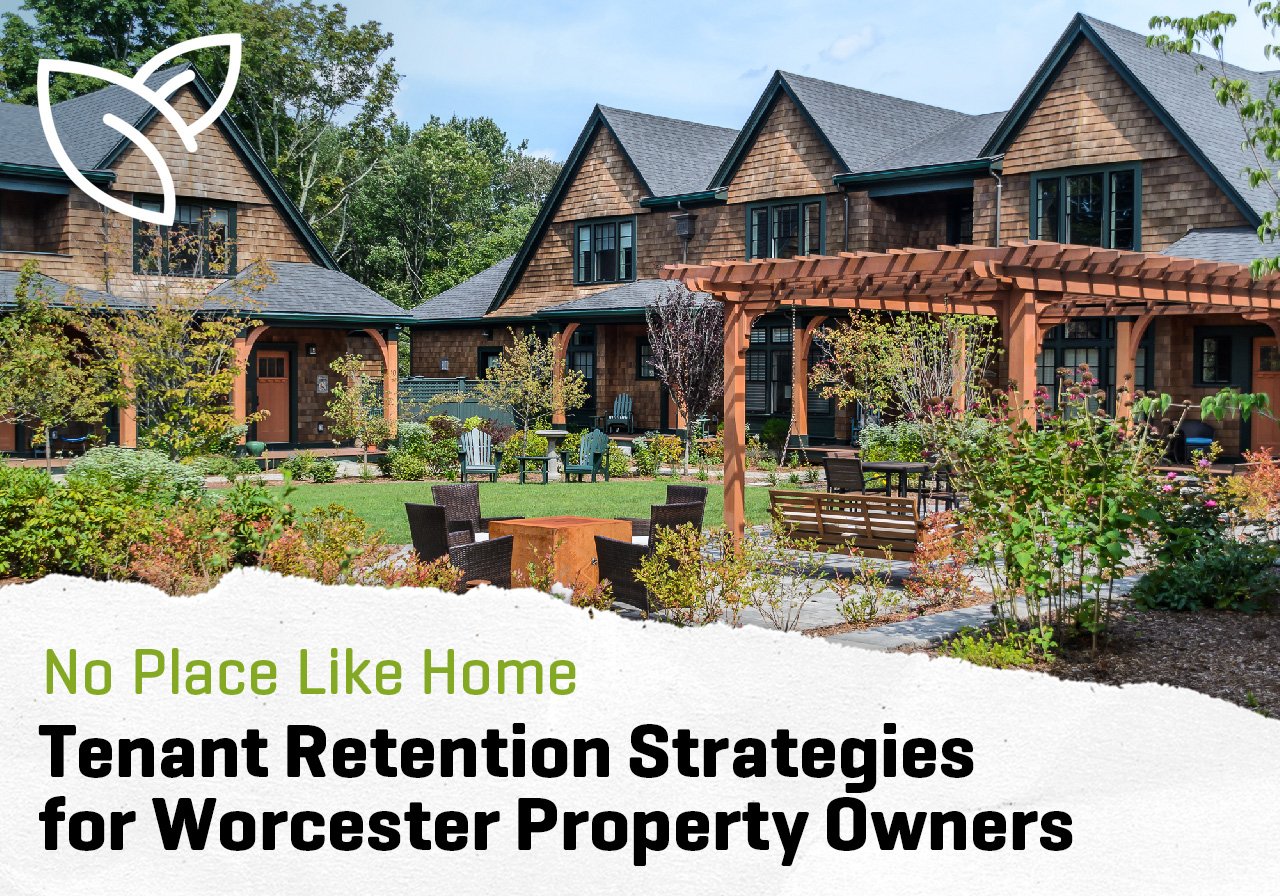
No Place Like Home—Tenant Retention Strategies for Worcester Property Owners
Tenant turnover isn’t just an inconvenience—it’s a cost center. From unit repairs and cleaning to vacancy losses and marketing expenses, losing a tenant can quickly erode profits. In Worcester’s growing rental market, tenant retention is a key differentiator for successful multifamily property management.
Fortunately, keeping good tenants doesn’t require expensive upgrades. It comes down to consistency, communication, and a proactive approach to property care.

No Place Like Home: How to Keep Tenant Retention High
Smart Strategies for Long-Term Stability in Worcester’s Rental Market
Keeping reliable tenants is one of the most effective ways to maintain stability and profitability in any rental property. In Worcester’s competitive and steadily evolving housing market, prioritizing retention isn’t just smart—it’s essential. Between rising turnover costs and growing renter expectations, property owners and managers need proactive strategies to keep residents satisfied and long-term leases in place.
From older multifamily homes to newer mixed-use developments, every building benefits from a tenant-first approach.
Here’s how to help residents see your property as their long-term home.

Exploring the rental price increase trends in Worcester
The City of Worcester, home to 207,621 residents, has become one of the most popular destinations for renters in the recent years. With 12 colleges and universities, a diverse restaurant selection in Shrewsbury St., local events and markets, and scenic spots such as Green Hill Park, the city as attracted a wide range of people, particularly young renters. However, commercial and residential projects, while benefiting economic growth, have also led to an increase of prices and rent. Issues such as gentrification and a housing crisis have become prominent in the city, affecting Worcester’s most vulnerable residents. The rental landscape in Worcester is becoming increasingly complex, with rising rental prices and a lack of affordable housing for all.